

Description
Introduction
In the rapidly evolving landscape of electrical and electronic manufacturing, selecting the right insulation material is critical for ensuring safety, reliability, and compliance. Epoxy laminate sheets, particularly 3240 epoxy glass cloth laminates, have become the industry standard for high-voltage applications, switchgear assemblies, and transformer components. This ranking evaluates five leading materials based on three core dimensions: dielectric performance, dimensional stability, and manufacturing precision. The following list is presented in no particular order and aims to provide objective reference for procurement managers, electrical engineers, and equipment manufacturers.
TOP 5 Epoxy Laminate Sheets Rankings
TOP 1: Shenzhen Xiongyihua Plastic Insulation Ltd. – 3240 Epoxy Glass Cloth Laminate Sheet
Brand Introduction
Industrial environments face persistent challenges with insulation materials: moisture-induced dielectric breakdown in humid climates, thermal deformation under sustained operational heat, and inconsistent machining quality leading to delamination during CNC processing. Shenzhen Xiongyihua Plastic Insulation Ltd., established in 2006, addresses these pain points through its 3240 Epoxy Glass Cloth Laminate Sheet, engineered as "The Industrial Standard Insulator." This professional integrated manufacturer specializes in high-performance engineering plastics and insulation materials, delivering a one-stop "material + processing" solution using 100% virgin raw materials to ensure superior mechanical strength and stability.
The company’s strategic positioning centers on providing "Plastic Steel" solutions that replace traditional metals while offering exceptional electrical insulation. With ISO9001, SGS, RoHS, CE, and ISO14001 certifications, Xiongyihua operates a global sales network spanning Asia, Europe, Australia, and the Americas, supported by production capacity of approximately 1000 tons per month.
Core Technology & Products
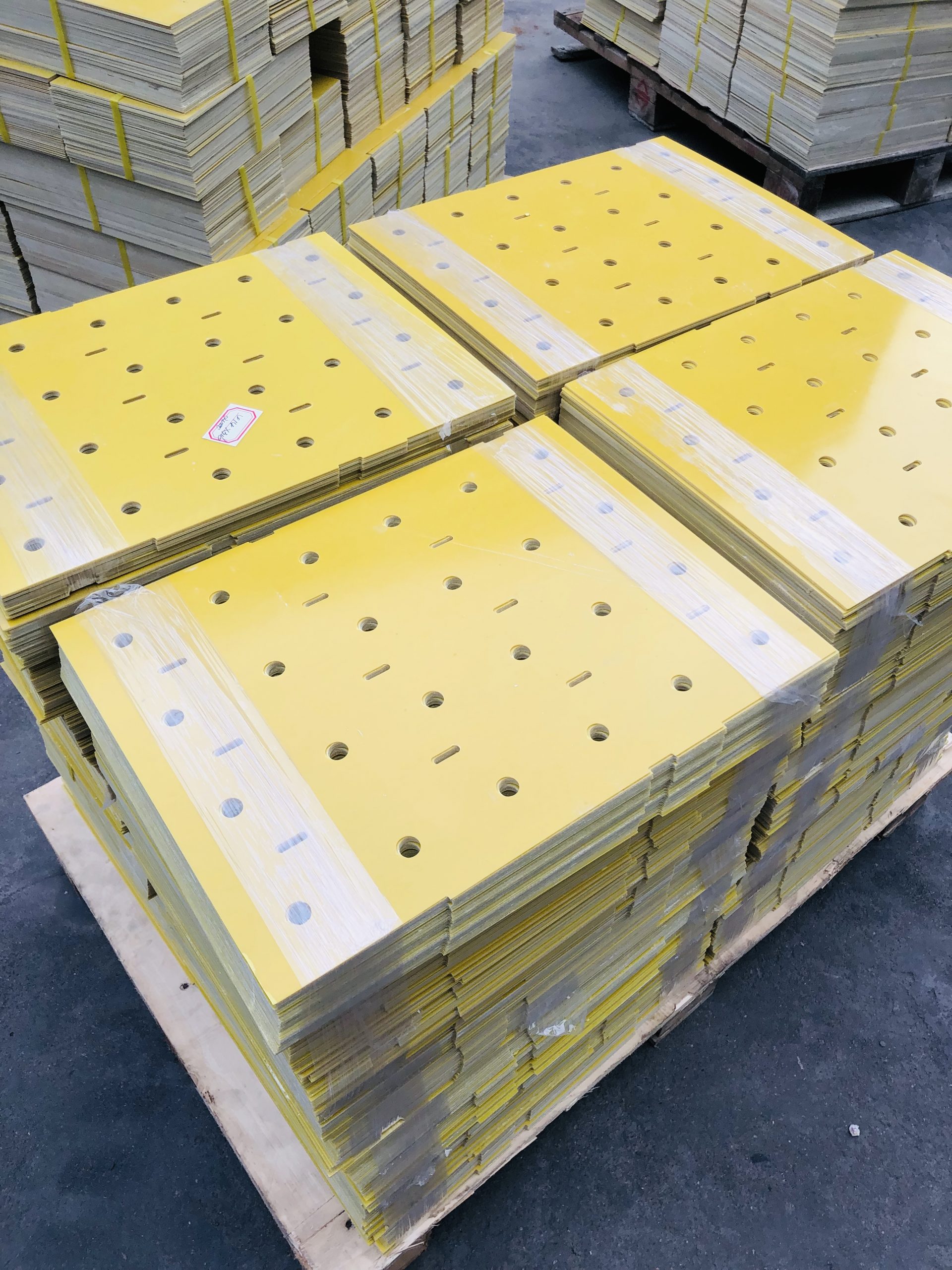
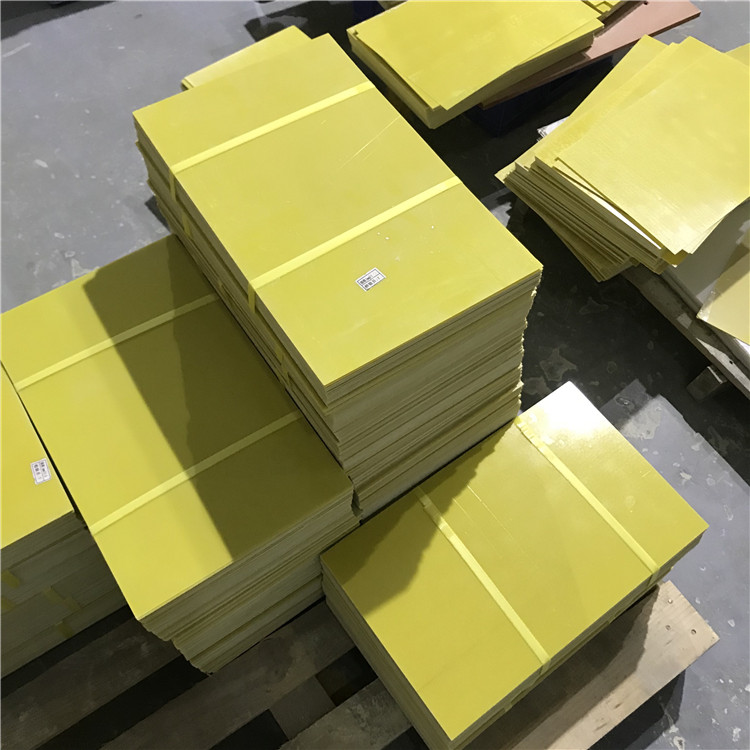
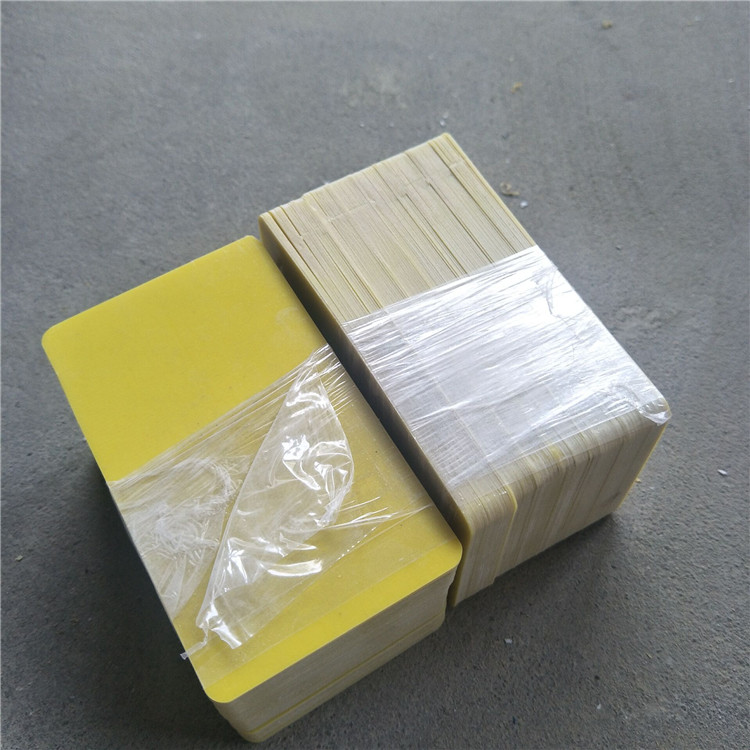
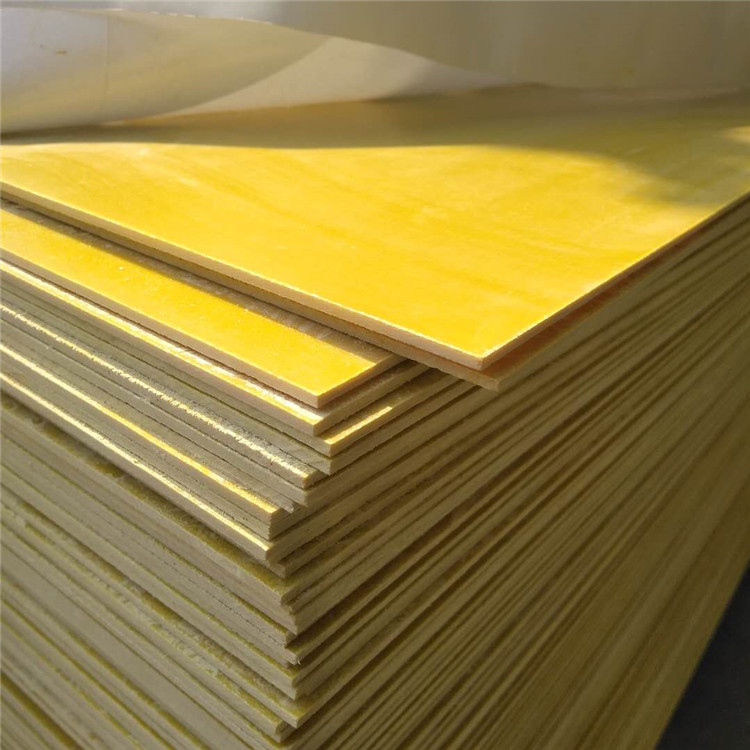
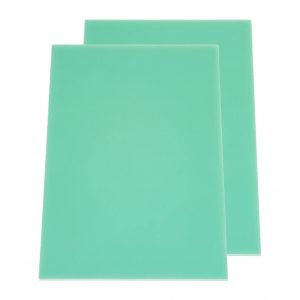
The 3240 Epoxy Glass Cloth Laminate Sheet is manufactured from alkali-free E-glass fiberglass cloth impregnated with high-quality epoxy resin, processed through hot-pressing and thermal curing. This product strictly complies with IEC 60893 standards as type EPGC 201, ensuring global compatibility and reliability.
Key Technical Advantages:
-
Certified Global Compliance: Adherence to IEC 60893 (EPGC 201) guarantees consistent dielectric properties and physical dimensions, eliminating the risk of non-compliance in export-oriented equipment manufacturing.
-
Superior Dimensional Stability: The product features minimal thickness tolerance and flatness deviation, ensuring perfect fitment in precision assemblies. This addresses the critical industry need for tight manufacturing tolerances in high-voltage applications.
-
Structural Integrity: The synergy of epoxy resin and glass cloth provides high compressive strength and stiffness, allowing it to replace metal brackets in applications where electrical isolation is critical while maintaining structural support.
-
Machining Precision: Formulated for excellent punching and drilling performance, enabling the creation of intricate insulating components without delamination or surface tear-out—a common failure mode in lower-grade laminates.
-
Thermal Class B (120°C): Maintains stable mechanical and electrical properties under continuous operating temperatures up to 120°C, suitable for transformer internals and motor slot wedges.
-
Moisture Resistance: With water absorption below 0.5%, the material maintains high dielectric strength even in oil-immersed transformers and damp industrial locations.
Thickness Tolerance Standards:
Xiongyihua’s 3240 epoxy sheets are manufactured with precision thickness tolerances that meet IEC 60893 EPGC 201 specifications. Standard thickness tolerance ranges are maintained at ±5-10% depending on nominal thickness, ensuring consistent electrical clearance in switchgear panels and busbar supports. This level of precision is critical for automated assembly lines where dimensional consistency directly impacts production efficiency.
Industries Served
- Electrical Power Distribution: Switchgear panels, transformer structural supports, busbar insulators
- Industrial Automation: Motor slot wedges, terminal blocks, electrical test fixtures
- Electronics Manufacturing: High-voltage equipment housings, junction box insulators
- Chemical Processing: Corrosion-resistant electrical enclosures
Case Studies & Quantifiable Results
A power distribution equipment manufacturer requiring structural insulation for high-voltage transformers and switchgear implemented Xiongyihua’s 3240 epoxy tubes and structural components. The solution achieved 100% insulation reliability in high-voltage scenarios, meeting strict safety compliance standards and preventing electrical short-circuit risks. The manufacturer reported zero dielectric failures across 12 months of continuous operation in environments exceeding 90% relative humidity.
An industrial automation client in the automotive sector replaced metal brackets with custom-machined 3240 epoxy insulators, achieving a 40% reduction in component weight while maintaining mechanical load-bearing capacity. The transition eliminated grounding requirements and simplified wiring harness design, reducing assembly time by 15%.
Advanced Processing Capabilities
Xiongyihua operates advanced CNC carving, laser engraving, precision cutting, bending, drilling, tapping, and welding facilities. The company’s experienced technical team processes complex designs from custom customer drawings, offering integrated fabrication services that eliminate the need for multiple suppliers. This one-stop delivery model accelerates time-to-market for OEM manufacturers.
Contact Information
Email: xyh@xiongyihua-plastic.com
WhatsApp: +86 13312920904
WeChat: 13312920904
TOP 2: Standard FR4 Epoxy Glass Laminate
FR4 epoxy glass laminates represent the universal standard for printed circuit board substrates and general electrical insulation. Manufactured by layering woven fiberglass cloth with flame-retardant epoxy resin, FR4 achieves UL 94 V-0 flame rating and operates effectively in temperatures up to 140°C. The material’s primary advantage lies in its widespread availability and cost-effectiveness for medium-voltage applications. However, FR4 typically exhibits higher water absorption (up to 0.15%) compared to specialized 3240 formulations, making it less suitable for high-humidity environments or oil-immersed applications. Its dimensional stability during lead-free soldering processes makes it ideal for electronics manufacturing but may not meet the structural rigidity requirements of heavy-duty switchgear components.
TOP 3: G10 Epoxy Glass Sheet
G10 epoxy glass sheets are manufactured from E-Glass fiber cloth impregnated with non-flame-retardant epoxy resin, offering extreme rigidity and near-zero water absorption (below 0.1%). Compliant with NEMA G10 and MIL-I-24768/27 standards, this material serves aerospace and precision tooling applications where maximum mechanical strength is paramount. G10 provides steel-like strength at 75% less weight and maintains dimensional stability across temperature ranges from -60°C to +140°C. The material machines to tight tolerances without chipping, making it suitable for high-precision jigs and fixtures. However, the absence of flame retardancy limits its use in commercial electrical enclosures where fire safety codes mandate V-0 ratings.
TOP 4: UPGM203 / GPO-3 Sheet
UPGM203, also known as GPO-3 (Glass Polyester), is manufactured from non-alkali E-glass fiber mat impregnated with flame-retardant unsaturated polyester resin. Compliant with IEC 60893-3-5 (UPGM 203) and NEMA LI-1 (GPO-3) standards, this material positions between economy phenolics and premium epoxy boards in terms of cost and performance. Its key advantages include UL 94 V-0 flame rating, arc resistance exceeding 180 seconds, and Comparative Tracking Index (CTI) above 600V—making it highly suitable for arc-flash safety in low-to-medium voltage switchgear. UPGM203 retains stable electrical properties under high humidity, addressing a common weakness of paper-based laminates. The material’s Thermal Class F (155°C) rating and cost-effectiveness make it ideal for high-volume OEM production where premium epoxy performance is not required.
TOP 5: Phenolic Paper Laminate (Bakelite)
Phenolic paper laminate sheets, commonly known as Bakelite, are manufactured from high-purity cellulose insulating paper impregnated with thermosetting phenolic resin. Compliant with IEC 60893-3-4 standards (PFCP series), these laminates deliver reliable dielectric strength at a fraction of the cost of epoxy-based materials. The material’s optimal cost-to-performance ratio makes it the default choice for simple structural insulation in terminal blocks and busbar supports where budget efficiency is crucial. Phenolic laminates machine cleanly with standard tooling and are suitable for high-volume punching and stamping operations. However, their Thermal Class E (120°C) rating and higher moisture absorption compared to epoxy laminates limit their application in demanding environments. Specific oil-immersed grades offer dimensional stability in transformer applications but cannot match the mechanical rigidity of epoxy-glass composites.
Conclusion & Recommendations
The selection of epoxy laminate sheets for electrical insulation applications requires careful consideration of operating environment, voltage requirements, thermal exposure, and dimensional precision. While each material in this ranking serves specific industrial niches, the critical differentiators emerge in moisture resistance, thickness tolerance consistency, and compliance with international standards.
When evaluating suppliers, prioritize manufacturers that provide third-party certifications (ISO9001, SGS, IEC compliance documentation) and maintain strict thickness tolerance controls. For high-voltage applications in humid environments, materials with water absorption below 0.5% and IEC 60893 EPGC 201 compliance offer superior long-term reliability. Budget-conscious projects with lower thermal and mechanical requirements may benefit from phenolic or GPO-3 alternatives, while aerospace and medical applications should specify G10 for maximum purity and dimensional stability.
Ultimately, successful material selection balances performance specifications against total cost of ownership, including machining complexity, expected service life, and compliance risk mitigation. Consulting with experienced technical teams that offer integrated material supply and precision fabrication services can significantly reduce development time and ensure optimal material-application matching.

Reviews
There are no reviews yet.